Monday, April 8, 2024

Bipolar Disorder

Bipolar Disorder

Introduction

Bipolar disorder, formerly called manic depression, is a mental health condition that causes extreme mood swings that include emotional highs (mania or hypomania) and lows (depression).

When you become depressed, you may feel sad or hopeless and lose interest or pleasure in most activities. When your mood shifts to mania or hypomania (less extreme than mania), you may feel euphoric, full of energy or unusually irritable. These mood swings can affect sleep, energy, activity, judgment, behavior and the ability to think clearly.

Episodes of mood swings may occur rarely or multiple times a year. While most people will experience some emotional symptoms between episodes, some may not experience any.

Although bipolar disorder is a lifelong condition, you can manage your mood swings and other symptoms by following a treatment plan. In most cases, bipolar disorder is treated with medications and psychological counseling (psychotherapy).

Symptoms

There are several types of bipolar and related disorders. They may include mania or hypomania and depression. Symptoms can cause unpredictable changes in mood and behavior, resulting in significant distress and difficulty in life.

*Bipolar I disorder. You've had at least one manic episode that may be preceded or followed by hypomanic or major depressive episodes. In some cases, mania may trigger a break from reality (psychosis).

*Bipolar II disorder. You've had at least one major depressive episode and at least one hypomanic episode, but you've never had a manic episode.

*Cyclothymic disorder. You've had at least two years — or one year in children and teenagers — of many periods of hypomania symptoms and periods of depressive symptoms (though less severe than major depression).

*Other types. These include, for example, bipolar and related disorders induced by certain drugs or alcohol or due to a medical condition, such as Cushing's disease, multiple sclerosis or stroke.

Bipolar II disorder is not a milder form of bipolar I disorder, but a separate diagnosis. While the manic episodes of bipolar I disorder can be severe and dangerous, individuals with bipolar II disorder can be depressed for longer periods, which can cause significant impairment.

Although bipolar disorder can occur at any age, typically it's diagnosed in the teenage years or early 20s. Symptoms can vary from person to person, and symptoms may vary over time.

Mania and hypomania

Mania and hypomania are two distinct types of episodes, but they have the same symptoms. Mania is more severe than hypomania and causes more noticeable problems at work, school and social activities, as well as relationship difficulties. Mania may also trigger a break from reality (psychosis) and require hospitalization.

Both a manic and a hypomanic episode include three or more of these symptoms:

*Abnormally upbeat, jumpy or wired.

*Increased activity, energy or agitation.

*Exaggerated sense of well-being and self-confidence (euphoria).

*Decreased need for sleep.

*Unusual talkativeness.

*Racing thoughts.

*Distractibility.

*Poor decision-making — for example, going on buying sprees, taking sexual risks or making foolish investments.

Major depressive episode

A major depressive episode includes symptoms that are severe enough to cause noticeable difficulty in day-to-day activities, such as work, school, social activities or relationships. An episode includes five or more of these symptoms:

*Depressed mood, such as feeling sad, empty, hopeless or tearful (in children and teens, depressed mood can appear as irritability).

*Marked loss of interest or feeling no pleasure in all — or almost all — activities.

*Significant weight loss when not dieting, weight gain, or decrease or increase in appetite (in children, failure to gain weight as expected can be a sign of depression).

*Either insomnia or sleeping too much.

*Either restlessness or slowed behavior.

*Fatigue or loss of energy.

*Feelings of worthlessness or excessive or inappropriate guilt.

*Decreased ability to think or concentrate, or indecisiveness.

*Thinking about, planning or attempting suicide.

Other features of bipolar disorder

Signs and symptoms of bipolar I and bipolar II disorders may include other features, such as anxious distress, melancholy, psychosis or others. The timing of symptoms may include diagnostic labels such as mixed or rapid cycling. In addition, bipolar symptoms may occur during pregnancy or change with the seasons.

Symptoms in children and teens

Symptoms of bipolar disorder can be difficult to identify in children and teens. It's often hard to tell whether these are normal ups and downs, the results of stress or trauma, or signs of a mental health problem other than bipolar disorder.

Children and teens may have distinct major depressive or manic or hypomanic episodes, but the pattern can vary from that of adults with bipolar disorder. And moods can rapidly shift during episodes. Some children may have periods without mood symptoms between episodes.

The most prominent signs of bipolar disorder in children and teenagers may include severe mood swings that are different from their usual mood swings.

Causes

The exact cause of bipolar disorder is unknown, but several factors may be involved, such as:

*Biological differences. People with bipolar disorder appear to have physical changes in their brains. The significance of these changes is still uncertain but may eventually help pinpoint causes.

*Genetics. Bipolar disorder is more common in people who have a first-degree relative, such as a sibling or parent, with the condition. Researchers are trying to find genes that may be involved in causing bipolar disorder.

Risk factors

Factors that may increase the risk of developing bipolar disorder or act as a trigger for the first episode include:

#Having a first-degree relative, such as a parent or sibling, with bipolar disorder.

#Periods of high stress, such as the death of a loved one or other traumatic event.

#Drug or alcohol abuse.

Complications

Left untreated, bipolar disorder can result in serious problems that affect every area of your life, such as:

Problems related to drug and alcohol use.

Suicide or suicide attempts.

Legal or financial problems.

Damaged relationships.

Poor work or school performance.

Co-occurring conditions

If you have bipolar disorder, you may also have another health condition that needs to be treated along with bipolar disorder. Some conditions can worsen bipolar disorder symptoms or make treatment less successful. Examples include:

Anxiety disorders.

Eating disorders.

Attention-deficit/hyperactivity disorder (ADHD)
Alcohol or drug problems.

Physical health problems, such as heart disease, thyroid problems, headaches or obesity.

Prevention

There's no sure way to prevent bipolar disorder. However, getting treatment at the earliest sign of a mental health disorder can help prevent bipolar disorder or other mental health conditions from worsening.

If you've been diagnosed with bipolar disorder, some strategies can help prevent minor symptoms from becoming full-blown episodes of mania or depression:

#Pay attention to warning signs. Addressing symptoms early on can prevent episodes from getting worse. You may have identified a pattern to your bipolar episodes and what triggers them. Call your doctor if you feel you're falling into an episode of depression or mania. Involve family members or friends in watching for warning signs.

#Avoid drugs and alcohol. Using alcohol or recreational drugs can worsen your symptoms and make them more likely to come back.

#Take your medications exactly as directed. You may be tempted to stop treatment — but don't. Stopping your medication or reducing your dose on your own may cause withdrawal effects or your symptoms may worsen or return.

Fecal Microbiota Transplantation (FMT)

Fecal Microbiota Transplantation (FMT)

Introduction

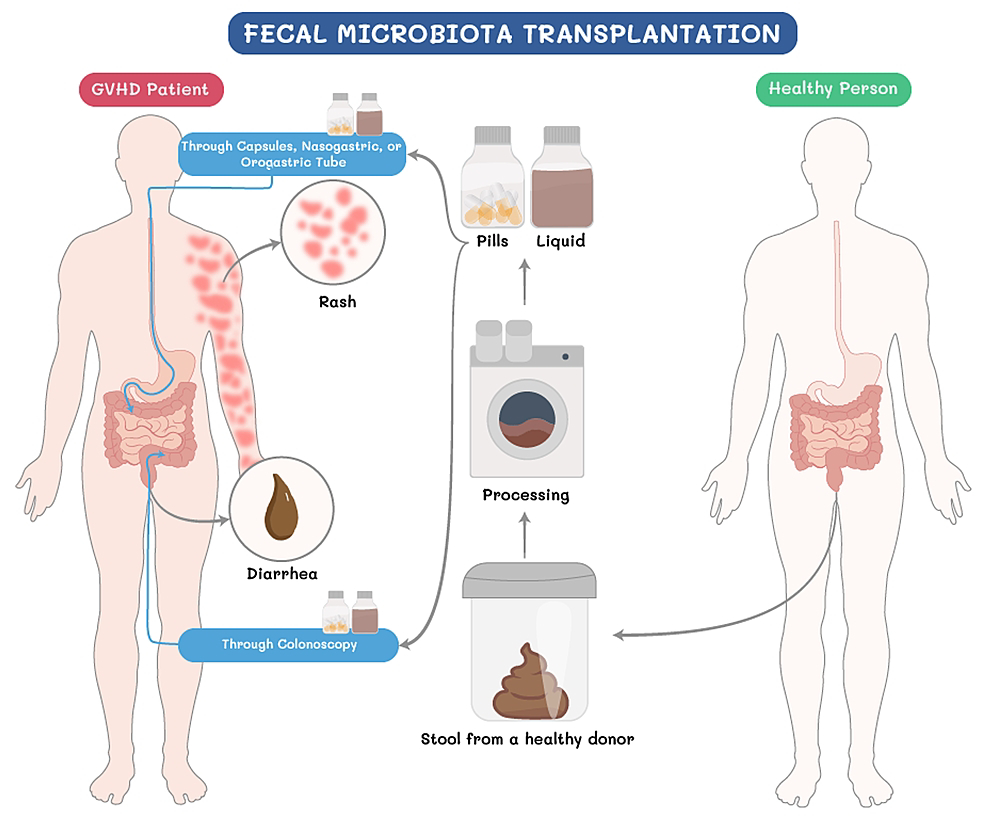
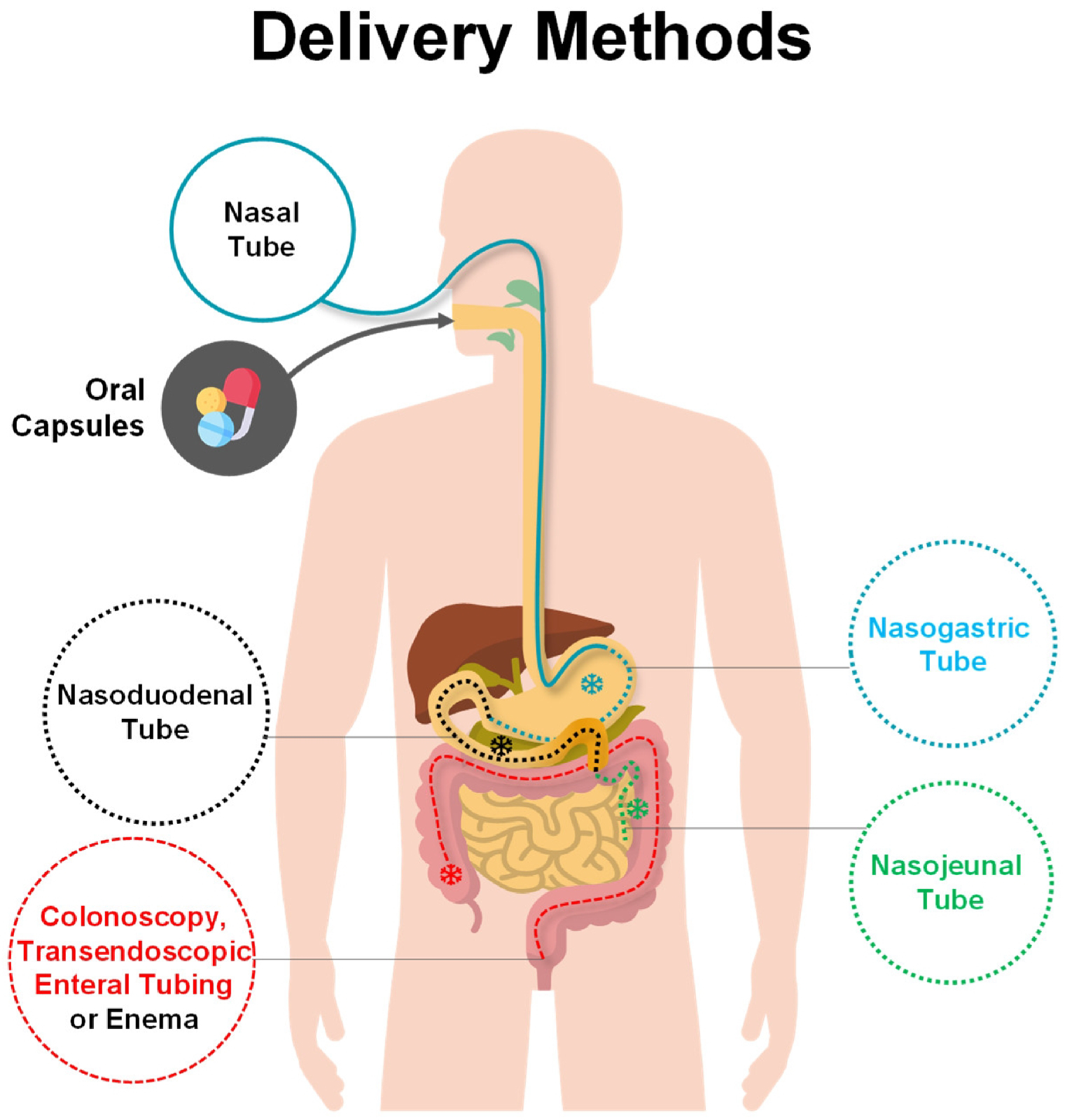
Fecal microbiota transplantation (FMT) is a procedure that delivers healthy human donor stool to a child via colonoscopy, enema, nasogastric (NG) tube, or in capsule form (popularly called “poop pills”). It may be prescribed for debilitating gasterointestinal infections, such as Clostridium difficile (C. diff), that keep recurring despite antibiotic therapy.

C. diff is a serious infection — one that causes debilitating diarrhea and in the U.S., in 2011 alone, C. diff was responsible for 29,000 deaths in adults. Treating C. diff begins with administering antibiotics; however, recurrence is common. By the third episode of severe C. diff, it is unlikely antibiotics will cure the infection; so, your child’s doctor may consider FMT as an option.

Based on successful treatment of C. diff infections, FMT is now being looked at for a wide range of conditions. However, it’s still considered an experimental treatment, and shouldn’t be attempted without medical supervision.

Not all children are good candidates for FMT. The procedure carries some risk, particularly if your child is taking immunosuppressant medication or has had a recent bone marrow transplant.

Working principle

The GI tract has an “ecosystem” of thousands of bacteria and other organisms that help keep the body healthy. When your child is given an antibiotic, this ecosystem is disrupted, allowing the growth of disease-causing bacteria, such as C. diff.

With a fecal transplant, “good” microorganisms from the donor stool are infused into the patient. Healthy bacteria begin to grow and prevent C. diff from recurring.

Stool donors are rigorously screened and stool samples are extensively tested before being used for FMT.

Preparation

The long-term results of FMT are unknown, so you’ll need to sign an informed-consent form on behalf of your child.

To prepare for the transplant, your child should have an empty GI tract. This often means drinking only clear fluids and abstaining from eating for 24 hours before the procedure.

If your child has mild or moderate C. diff, they may also be asked to drink a liquid to encourage a bowel movement; however, children with more severe infections will not follow this same protocol.

Procedure

There are several different FMT techniques:

#Colonoscopy: A thin, hollow tube with an attached camera is placed up the colon, and a catheter-tipped syringe is used to inject donor stool through the channel.

#Enema: Although less invasive than a colonoscopy, a fecal enema often needs to be performed more than once, because the donor stool doesn’t reach the colon.

#Nasogastric (NG) tube: Using a thin, flexible feeding tube, doctors insert donor stool through a patient’s nostril, down the throat, and into the stomach.

#Oral capsules, known as “poop pills.”

Future

Recent studies show how FMT can be beneficial to children who have specific GI conditions, such as Crohn’s disease or ulcerative colitis. We are also starting to test FMT for peanut allergy, based on evidence that transferring “good” bacteria can rebalance the immune system.

FMT is a hot topic among researchers and clinicians. ClinicalTrials.gov reveals some 170 studies on FMT, with applications as diverse as type 2 diabetes, cirrhosis, and HIV. And, in a clinical trial at Boston Children’s Hospital, researchers are looking at whether giving peanut-allergic people the “good” bacteria from a non-allergic person (in the form of “poop pills”) prevents allergic reactions.

Blood– Brain Barrier (BBB)

Blood– Brain Barrier (BBB) 

Introduction

The brain is the epicentre of an eclectic array of physiological activity. It integrates information from the external environment with signals from the internal environment in order to execute specific activities.

With all the special activities that occur at the neuronal level, it is paramount that the chemical environment in which these cells operate is strictly regulated. This is the primary function of the blood-brain barrier.

This article will look at the overall structure of the blood-brain, blood-nerve, and blood-cerebrospinal fluid barriers found throughout the nervous system. Additionally, special attention will be paid to those areas within the brain that lack a blood-brain barrier and to clinically relevant points with respect to this membrane.

Definition

Blood-Brain Barrier (BBB) is a selectively permeable membrane regulates the passage of a multitude of large and small molecules into the microenvironment of the neurons. It achieves this feat by with the aid of multiple cellular transport channels scattered along the membrane. 

These include:

*amino acid transporters.

*glucose transporter 1 (GLUT1).

*nucleouside & nucleotide transporters.

*monocarboxylate transporters (MCT1 and MCT2).

*ion transporters (Na+/K+-ATPase pumps) that facilitate the transport of essential molecules into the brain.

In addition to facilitating the uptake of amino acids, the amino acid transporters may inadvertently transport undesirable heavy metals into the brain’s immediate environment. 

Consequently, at high enough concentrations, this will result in neurotoxicity. GLUT1 and the MCT transporters carry glucose, and lactate and ketones, respectively.

Blood–brain barrier structure

The brain has a large network of arterial and venous vessels taking blood to and from (respectively) brain tissue. However, most of the action occurs at the level of the capillaries. Both the luminal and abluminal (outer surface of the vessel) sides are lined by key structures that contribute to the integrity of the cells. 

Firstly, squamous epithelial cells form the endothelial wall of the capillaries; the luminal surface of these cells comes into contact with circulating blood and its constituents. The abluminal surface is in contact with a circumferentially continuous basement membrane.

The endothelial cells are anchored to each other by zonula occludens or tight junctions, as well as zonulae adherens. The former provide structural support to the endothelial wall, while the latter physically connects adjacent cells. 

Additionally, the tight junctions circumscribe the cells and provide a seal with all adjacent cells. Therefore, the endothelium functions as an impermeable barrier between the capillary lumen and brain tissue.

Studies conducted on other mammals have implicated pericytes as integral components in the formation of the blood-brain barrier. These cells encircle endothelial cells of capillaries and are able to contract in order to regulate capillary blood flow. 

Consequently, the contractility also regulates the amount of blood flowing through the capillaries, thus enhancing the blood-brain barrier. Furthermore, some theories suggest that pericytes not only promote the formation of tight junctions, but they also inhibit the production of chemicals that promote vascular permeability.

Astrocytes are highly branched cells with small bodies found both in white matter (fibrous astrocytes) as well as in grey matter (protoplasmic astrocytes). 

The podocytes of both fibrous and protoplasmic astrocytes not only encircle nerve fibres and neuronal somas (respectively), but they also surround the abluminal surface of the capillaries. At this point, the processes are referred to as perivascular endfeet.

Blood–nerve barrier

A similar architectural construct exists in the peripheral nervous system that also limits the interaction between the peripheral nerves and circulating blood. This system is informally referred to as the blood-nerve barrier.

Blood–cerebrospinal fluid barrier

There is a similar barrier system in place that acts as an interface between blood and cerebrospinal fluid. This is known as the blood-cerebrospinal fluid barrier. The main similarities between the blood-cerebrospinal fluid barrier and the blood-brain barrier are:

Endothelial cells found in the capillary beds.

Circumferential basement membrane around the abluminal surface of the capillary.

And perivascular endfeet of the astrocytes also on the abluminal surface of the capillaries.

The blood-cerebrospinal fluid barrier, however, also has fenestrated endothelial cells which allow easier passage of water, gases and lipophilic substances from the blood to the cerebrospinal fluid. 

Additionally, there are choroidal epithelial cells that are integral to the production of cerebrospinal fluid.

Choroid epithelium consists of ciliated cuboidal cells, equipped with microvilli, encompassing capillary tufts. Although the choroid epithelium is continuous with the ependymal layer (simple ciliated columnar cells) of the ventricle, it contains more tight junctions and consequently act as an effective barrier between blood and cerebrospinal fluid.

Circumventricular organs

There are regions of the brain where the blood-brain barrier is absent. This anatomical adaptation allows areas of the brain to monitor homeostatic changes within the systemic circulation. As a result, the brain is able to detect these changes and effect necessary protective physiological processes to mitigate these activities. There are seven such areas that are collectively referred to as the circumventricular organs. They can be further subdivided in secretory and sensory organs:

Secretory organs

Secretory organs, as the name suggests, are structures that release their products directly into the bloodstream or cerebrospinal fluid. The products may either be neurohormonal or other proteins. 

The secretory circumventricular organs include the neurohypophysis (posterior pituitary gland), pineal gland, subcommissural organ and median eminence.

1.Neurohypophysis – is also known as the posterior pituitary gland. It is the region of the hypophysis cerebri that originates from neuroectoderm and stores hypothalamic hormones (namely oxytocin and vasopressin). Hormones are delivered to the posterior pituitary gland by way of nerve fibres travelling from the paraventricular and supraoptic hypothalamic nuclei.

2.Pineal gland – is a pine-shaped organ situated in the posterior aspect of the third ventricle. It lies just superior to, and in the midline of, the corpora quadrigemina (superior and inferior colliculi). The gland is encapsulated and lobulated (internally). Its constituent cells – pinealocytes – produce and cyclically release melatonin with the oscillating circadian rhythm (which is regulated by the suprachiasmatic nucleus). The absence of a blood-brain barrier here allows melatonin to be secreted into the rich blood supply coming from the posterior choroidal artery (branch of the posterior communicating artery) and internal cerebral veins (tributary to the great vein of Galen).

3.Subcommissural organ – is situated near to the caudal limit of the pineal recess (in the third ventricle) at the opening of the cerebral aqueduct of Sylvius. Here, it is caudally and ventrally related to the posterior commissure. The ependymal cells here, unlike those covering the other circumventricular organs, are tall ciliated columnar cells. The capillaries at this level are not as abundant or significantly fenestrated as those in other circumventricular organs. The subcommissural organ releases SCO-spondin, which is a glycoprotein that aggregates within the third ventricle and forms Reissner’s fibres. These fibres have been implicated in maintaining the patency of the aqueduct of Sylvius and their absence results in congenital hydrocephalus.

4.Median Eminence – has an intricate communication with the hypophyseal portal system that permits communication between systemic circulation and cerebrospinal fluid by way of the large number of fenestrated capillary beds it contains. The median eminence, which is located at the floor of the hypothalamus, is anterior to the tuber cinereum (ventral extent of the third ventricle). The median eminence also contains specialized cells known as tanycytes, which assist in modifying the permeability of the membrane to allow macromolecules to enter the peripheral circulation.

Sensory organs

Sensory organs are responsible for monitoring the peripheral circulation and responding appropriately to reverse these changes or eliminate toxins. These organs include the subfornical organ, the organum vasculosum of the lamina terminalis and the area postrema.

1.Subfornical organ – is a small region at the interventricular foramen of Monro that is comprised of glial cells, neurons and a densely packed tuft of fenestrated capillaries. Like other circumventricular organs, the subfornical organ is covered by flattened ependymal cells. The subfornical organ has multiple homeostatic functions, including cardiovascular regulation, osmoregulation and energy regulation, among others. This concept is supported by its efferent projections to the lateral hypothalamus, the median preoptic area and organum vasculosum.

2.Organum vasculosum – also known as the organum vasculosum of the lamina terminalis (OVLT) or simply, the vascular organ, it is cranial to the optic chiasm and caudal to the anterior commissure. The vascular bed of this organ is highly fenestrated and the ependyma contains flattened cells with very sparsely distributed cilia. The primary role of the vascular organ is to regulate fluid balance. As such, it receives afferent fibres from the subfornical organ, several hypothalamic nuclei and the locus coeruleus. It then projects to the supraoptic and median preoptic nuclei.

3.Area postrema – is probably the most commonly known circumventricular organ. It is a paired structure that is located at the caudal extent of the floor of the fourth ventricle. This bilateral structure is an important component of what is commonly termed the vomiting center. The absence of a blood-brain barrier in this location allows the area postrema to identify chemical irritants and stimulate a vomiting response.

Gut - Brain Axis (GBA)

Gut - Brain Axis (GBA) 

Introduction

The gut-brain connection is no joke; it can link anxiety to stomach problems and vice versa. Have you ever had a "gut-wrenching" experience? Do certain situations make you "feel nauseous"? Have you ever felt "butterflies" in your stomach? We use these expressions for a reason. The gastrointestinal tract is sensitive to emotion. Anger, anxiety, sadness, elation — all of these feelings (and others) can trigger symptoms in the gut.

The brain has a direct effect on the stomach and intestines. For example, the very thought of eating can release the stomach's juices before food gets there. This connection goes both ways. 

A troubled intestine can send signals to the brain, just as a troubled brain can send signals to the gut. Therefore, a person's stomach or intestinal distress can be the cause or the product of anxiety, stress, or depression. That's because the brain and the gastrointestinal (GI) system are intimately connected.

This is especially true in cases where a person experiences gastrointestinal upset with no obvious physical cause. For such functional GI disorders, it is difficult to try to heal a distressed gut without considering the role of stress and emotion.

Gut health and anxiety

Given how closely the gut and brain interact, it becomes easier to understand why you might feel nauseated before giving a presentation, or feel intestinal pain during times of stress. 

That doesn't mean, however, that functional gastrointestinal conditions are imagined or "all in your head." Psychology combines with physical factors to cause pain and other bowel symptoms. 

Psychosocial factors influence the actual physiology of the gut, as well as symptoms. In other words, stress (or depression or other psychological factors) can affect movement and contractions of the GI tract.

In addition, many people with functional GI disorders perceive pain more acutely than other people do because their brains are more responsive to pain signals from the GI tract. Stress can make the existing pain seem even worse.

Based on these observations, you might expect that at least some patients with functional GI conditions might improve with therapy to reduce stress or treat anxiety or depression. 

Multiple studies have found that psychologically based approaches lead to greater improvement in digestive symptoms compared with only conventional medical treatment.

Gut-brain connection, anxiety and digestion  

Are your stomach or intestinal problems — such as heartburn, abdominal cramps, or loose stools — related to stress? Watch for these and other common symptoms of stress and discuss them with your doctor. 

Together you can come up with strategies to help you deal with the stressors in your life, and also ease your digestive discomforts.

Autism Spectrum

Autism Spectrum 

Introduction

Autism spectrum disorder is a condition related to brain development that impacts how a person perceives and socializes with others, causing problems in social interaction and communication. The disorder also includes limited and repetitive patterns of behavior. The term "spectrum" in autism spectrum disorder refers to the wide range of symptoms and severity.

Autism spectrum disorder includes conditions that were previously considered separate — autism, Asperger's syndrome, childhood disintegrative disorder and an unspecified form of pervasive developmental disorder. Some people still use the term "Asperger's syndrome," which is generally thought to be at the mild end of autism spectrum disorder.

Autism spectrum disorder begins in early childhood and eventually causes problems functioning in society — socially, in school and at work, for example. Often children show symptoms of autism within the first year. A small number of children appear to develop normally in the first year, and then go through a period of regression between 18 and 24 months of age when they develop autism symptoms.

While there is no cure for autism spectrum disorder, intensive, early treatment can make a big difference in the lives of many children.

Symptoms

Some children show signs of autism spectrum disorder in early infancy, such as reduced eye contact, lack of response to their name or indifference to caregivers. Other children may develop normally for the first few months or years of life, but then suddenly become withdrawn or aggressive or lose language skills they've already acquired. Signs usually are seen by age 2 years.

Each child with autism spectrum disorder is likely to have a unique pattern of behavior and level of severity — from low functioning to high functioning.

Some children with autism spectrum disorder have difficulty learning, and some have signs of lower than normal intelligence. Other children with the disorder have normal to high intelligence — they learn quickly, yet have trouble communicating and applying what they know in everyday life and adjusting to social situations.

Because of the unique mixture of symptoms in each child, severity can sometimes be difficult to determine. It's generally based on the level of impairments and how they impact the ability to function.

Below are some common signs shown by people who have autism spectrum disorder.

Social communication and interaction

A child or adult with autism spectrum disorder may have problems with social interaction and communication skills, including any of these signs:

Fails to respond to his or her name or appears not to hear you at times.

Resists cuddling and holding, and seems to prefer playing alone, retreating into his or her own world.

Has poor eye contact and lacks facial expression.

Doesn't speak or has delayed speech, or loses previous ability to say words or sentences.

Can't start a conversation or keep one going, or only starts one to make requests or label items.

Speaks with an abnormal tone or rhythm and may use a singsong voice or robot-like speech.

Repeats words or phrases verbatim, but doesn't understand how to use them.

Doesn't appear to understand simple questions or directions.

Doesn't express emotions or feelings and appears unaware of others' feelings.

Doesn't point at or bring objects to share interest.

Inappropriately approaches a social interaction by being passive, aggressive or disruptive.

Has difficulty recognizing nonverbal cues, such as interpreting other people's facial expressions, body postures or tone of voice.

Patterns of behavior

A child or adult with autism spectrum disorder may have limited, repetitive patterns of behavior, interests or activities, including any of these signs:

Performs repetitive movements, such as rocking, spinning or hand flapping.

Performs activities that could cause self-harm, such as biting or head-banging.

Develops specific routines or rituals and becomes disturbed at the slightest change.

Has problems with coordination or has odd movement patterns, such as clumsiness or walking on toes, and has odd, stiff or exaggerated body language.

Is fascinated by details of an object, such as the spinning wheels of a toy car, but doesn't understand the overall purpose or function of the object.

Is unusually sensitive to light, sound or touch, yet may be indifferent to pain or temperature.

Doesn't engage in imitative or make-believe play.

Fixates on an object or activity with abnormal intensity or focus.

Has specific food preferences, such as eating only a few foods, or refusing foods with a certain texture.

As they mature, some children with autism spectrum disorder become more engaged with others and show fewer disturbances in behavior. Some, usually those with the least severe problems, eventually may lead normal or near-normal lives. Others, however, continue to have difficulty with language or social skills, and the teen years can bring worse behavioral and emotional problems.

Medication

Babies develop at their own pace, and many don't follow exact timelines found in some parenting books. But children with autism spectrum disorder usually show some signs of delayed development before age 2 years.

If you're concerned about your child's development or you suspect that your child may have autism spectrum disorder, discuss your concerns with your doctor. The symptoms associated with the disorder can also be linked with other developmental disorders.

Signs of autism spectrum disorder often appear early in development when there are obvious delays in language skills and social interactions. Your doctor may recommend developmental tests to identify if your child has delays in cognitive, language and social skills, if your child:

Doesn't respond with a smile or happy expression by 6 months.

Doesn't mimic sounds or facial expressions by 9 months.

Doesn't babble or coo by 12 months.

Doesn't gesture — such as point or wave — by 14 months.

Doesn't say single words by 16 months.

Doesn't play "make-believe" or pretend by 18 months.

Doesn't say two-word phrases by 24 months.

Loses language skills or social skills at any age.

Causes

Autism spectrum disorder has no single known cause. Given the complexity of the disorder, and the fact that symptoms and severity vary, there are probably many causes. Both genetics and environment may play a role.

#Genetics. Several different genes appear to be involved in autism spectrum disorder. For some children, autism spectrum disorder can be associated with a genetic disorder, such as Rett syndrome or fragile X syndrome. For other children, genetic changes (mutations) may increase the risk of autism spectrum disorder. Still other genes may affect brain development or the way that brain cells communicate, or they may determine the severity of symptoms. Some genetic mutations seem to be inherited, while others occur spontaneously.

#Environmental factors. Researchers are currently exploring whether factors such as viral infections, medications or complications during pregnancy, or air pollutants play a role in triggering autism spectrum disorder.

Risk factors

The number of children diagnosed with autism spectrum disorder is rising. It's not clear whether this is due to better detection and reporting or a real increase in the number of cases, or both.

Autism spectrum disorder affects children of all races and nationalities, but certain factors increase a child's risk. These may include:

*Your child's sex. Boys are about four times more likely to develop autism spectrum disorder than girls are.

*Family history. Families who have one child with autism spectrum disorder have an increased risk of having another child with the disorder. It's also not uncommon for parents or relatives of a child with autism spectrum disorder to have minor problems with social or communication skills themselves or to engage in certain behaviors typical of the disorder.

*Other disorders. Children with certain medical conditions have a higher than normal risk of autism spectrum disorder or autism-like symptoms. Examples include fragile X syndrome, an inherited disorder that causes intellectual problems; tuberous sclerosis, a condition in which benign tumors develop in the brain; and Rett syndrome, a genetic condition occurring almost exclusively in girls, which causes slowing of head growth, intellectual disability and loss of purposeful hand use.

*Extremely preterm babies. Babies born before 26 weeks of gestation may have a greater risk of autism spectrum disorder.

*Parents' ages. There may be a connection between children born to older parents and autism spectrum disorder, but more research is necessary to establish this link.

Complications

Problems with social interactions, communication and behavior can lead to:

1.Problems in school and with successful learning.

2.Employment problems.

3.Inability to live independently.

4.Social isolation.

5.Stress within the family.

6.Victimization and being bullied.

Prevention

There's no way to prevent autism spectrum disorder, but there are treatment options. Early diagnosis and intervention is most helpful and can improve behavior, skills and language development. However, intervention is helpful at any age. Though children usually don't outgrow autism spectrum disorder symptoms, they may learn to function well.

Dementia

Dementia

Introduction 

Dementia is a term used to describe a group of symptoms affecting memory, thinking and social abilities. In people who have dementia, the symptoms interfere with their daily lives. Dementia isn't one specific disease. Several diseases can cause dementia.

Dementia generally involves memory loss. It's often one of the early symptoms of the condition. But having memory loss alone doesn't mean you have dementia. Memory loss can have different causes.

Alzheimer's disease is the most common cause of dementia in older adults, but there are other causes of dementia. Depending on the cause, some dementia symptoms might be reversible.

Symptoms

Dementia symptoms vary depending on the cause. Common symptoms include:

Cognitive changes:

Memory loss, which is usually noticed by someone else.
Problems communicating or finding words.
Trouble with visual and spatial abilities, such as getting lost while driving.
Problems with reasoning or problem-solving.
Trouble performing complex tasks.
Trouble with planning and organizing.
Poor coordination and control of movements.
Confusion and disorientation.

Psychological changes:

Personality changes.
Depression.
Anxiety.
Agitation.
Inappropriate behavior.
Being suspicious, known as paranoia.
Seeing things that aren't there, known as hallucinations.

Causes

Dementia is caused by damage to or loss of nerve cells and their connections in the brain. The symptoms depend on the area of the brain that's damaged. Dementia can affect people differently.

Dementias are often grouped by what they have in common. They may be grouped by the protein or proteins deposited in the brain or by the part of the brain that's affected. 

Also, some diseases have symptoms like those of dementia. And some medicines can cause a reaction that includes dementia symptoms. 

Not getting enough of certain vitamins or minerals also can cause dementia symptoms. When this occurs, dementia symptoms may improve with treatment.

Progressive dementias

Dementias that are progressive get worse over time. Types of dementias that worsen and aren't reversible include:

1.Alzheimer's disease. This is the most common cause of dementia.

Although not all causes of Alzheimer's disease are known, experts do know that a small percentage are related to changes in three genes. These gene changes can be passed down from parent to child. While several genes are probably involved in Alzheimer's disease, one important gene that increases risk is apolipoprotein E4 (APOE).

People with Alzheimer's disease have plaques and tangles in their brains. Plaques are clumps of a protein called beta-amyloid. Tangles are fibrous masses made up of tau protein. It's thought that these clumps damage healthy brain cells and the fibers connecting them.

2.Vascular dementia. This type of dementia is caused by damage to the vessels that supply blood to the brain. Blood vessel problems can cause stroke or affect the brain in other ways, such as by damaging the fibers in the white matter of the brain.

The most common symptoms of vascular dementia include problems with problem-solving, slowed thinking, and loss of focus and organization. These tend to be more noticeable than memory loss.

3.Lewy body dementia. Lewy bodies are balloonlike clumps of protein. They have been found in the brains of people with Lewy body dementia, Alzheimer's disease and Parkinson's disease. Lewy body dementia is one of the more common types of dementia.

Common symptoms include acting out dreams in sleep and seeing things that aren't there, known as visual hallucinations. Symptoms also include problems with focus and attention. Other signs include uncoordinated or slow movement, tremors, and stiffness, known as parkinsonism.

4.Frontotemporal dementia. This is a group of diseases characterized by the breakdown of nerve cells and their connections in the frontal and temporal lobes of the brain. These areas are associated with personality, behavior and language. Common symptoms affect behavior, personality, thinking, judgment, language and movement.

5.Mixed dementia. Autopsy studies of the brains of people age 80 and older who had dementia indicate that many had a combination of several causes. People with mixed dementia can have Alzheimer's disease, vascular dementia and Lewy body dementia. Studies are ongoing to determine how having mixed dementia affects symptoms and treatments.

Other disorders linked to dementia

1.Huntington's disease. Huntington's disease is caused by a genetic change. The disease causes certain nerve cells in the brain and spinal cord to waste away. Symptoms include a decline in thinking skills, known as cognitive skills. Symptoms usually appear around age 30 or 40.
Traumatic brain injury (TBI). This condition is most often caused by repetitive head trauma. Boxers, football players or soldiers might develop TBI.

2.Dementia symptoms depend on the part of the brain that's injured. TBI can cause depression, explosiveness, memory loss and impaired speech. TBI also may cause slow movement, tremors and stiffness. Symptoms might not appear until years after the trauma.

3.Creutzfeldt-Jakob disease. This rare brain disorder usually occurs in people without known risk factors. This condition might be due to deposits of infectious proteins called prions. Symptoms of this fatal condition usually appear after age 60.

Creutzfeldt-Jakob disease usually has no known cause but it can be passed down from a parent. It also may be caused by exposure to diseased brain or nervous system tissue, such as from a cornea transplant.

4.Parkinson's disease. Many people with Parkinson's disease eventually develop dementia symptoms. When this happens, it's known as Parkinson's disease dementia.

Dementia-like conditions that can be reversed

Some causes of dementia-like symptoms can be reversed with treatment. They include:

Infections and immune disorders. Dementia-like symptoms can result from a fever or other side effects of the body's attempt to fight off an infection. Multiple sclerosis and other conditions caused by the body's immune system attacking nerve cells also can cause dementia.

Metabolic or endocrine problems. People with thyroid problems and low blood sugar can develop dementia-like symptoms or other personality changes. This also is true for people who have too little or too much sodium or calcium, or problems absorbing vitamin B-12.

Low levels of certain nutrients. Not getting enough of certain vitamins or minerals in your diet can cause dementia symptoms. This includes not getting enough thiamin, also known as vitamin B-1, which is common in people with alcohol use disorder. It also includes not getting enough vitamin B-6, vitamin B-12, copper or vitamin E. Not drinking enough liquids, leading to dehydration, also can cause dementia symptoms.

Medicine side effects. Side effects of medicines, a reaction to a medicine or an interaction of several medicines can cause dementia-like symptoms.

Subdural bleeding. Bleeding between the surface of the brain and the covering over the brain can be common in older adults after a fall. Subdural bleeding can cause symptoms similar to those of dementia.

Brain tumors. Rarely, dementia can result from damage caused by a brain tumor.

Normal-pressure hydrocephalus. This condition is a buildup of fluid in the cavities in the brain known as ventricles. It can result in walking problems, loss of bladder control and memory loss.

Risk factors

Many factors can eventually contribute to dementia. Some factors, such as age, can't be changed. You can address other factors to reduce your risk.

Risk factors that can't be changed

1.Age. The risk of dementia rises as you age, especially after age 65. However, dementia isn't a typical part of aging. Dementia also can occur in younger people.

2.Family history. Having a family history of dementia puts you at greater risk of developing the condition. However, many people with a family history never develop symptoms, and many people without a family history do. There are tests to determine whether you have certain genetic changes that may increase your risk.

3.Down syndrome. By middle age, many people with Down syndrome develop early-onset Alzheimer's disease.

Risk factors you can change

You might be able to control the following risk factors for dementia.

1.Diet and exercise. Research has found that people at higher risk of dementia who followed a healthy lifestyle lowered their risk of cognitive decline. They ate a diet that included fish, fruits, vegetables and oils. They also exercised, had cognitive training and participated in social activities. While no specific diet is known to reduce dementia risk, research indicates that those who follow a Mediterranean style diet rich in produce, whole grains, nuts and seeds have better cognitive function.

2.Drinking too much alcohol. Drinking large amounts of alcohol has long been known to cause brain changes. Several large studies and reviews found that alcohol use disorders were linked to an increased risk of dementia, particularly early-onset dementia.

3.Cardiovascular risk factors. These include obesity, high blood pressure, high cholesterol, and the buildup of fats in the artery walls, known as atherosclerosis. Diabetes and smoking also are cardiovascular risk factors. Having diabetes can increase the risk of dementia, especially if it's poorly controlled. Smoking might increase the risk of developing dementia and blood vessel disease.

4.Depression. Although not yet well understood, late-life depression might indicate the development of dementia.
Air pollution. Studies in animals have indicated that air pollution particulates can speed degeneration of the nervous system. And human studies have found that air pollution exposure — particularly from traffic exhaust and burning wood — is associated with greater dementia risk.

5.Head trauma. People who've had a severe head trauma have a greater risk of Alzheimer's disease. Several large studies found that in people age 50 years or older who had a traumatic brain injury (TBI), the risk of dementia and Alzheimer's disease increased. The risk increases in people with more-severe and multiple TBIs. Some studies indicate that the risk may be greatest within the first six months to two years after the TBI.

6.Sleep problems. People who have sleep apnea and other sleep disturbances might be at higher risk of developing dementia.

7.Low levels of certain vitamins and nutrients. Low levels of vitamin D, vitamin B-6, vitamin B-12 and folate can increase the risk of dementia.

8.Medicines that can worsen memory. These include sleep aids that contain diphenhydramine (Benadryl) and medicines to treat urinary urgency such as oxybutynin (Ditropan XL).

Also limit sedatives and sleeping tablets. Talk to a health care professional about whether any of the medicines you take might make your memory worse.

Complications

Dementia can affect many body systems and, therefore, the ability to function. Dementia can lead to:

Poor nutrition. Many people with dementia eventually reduce or stop eating, affecting their nutrient intake. Ultimately, they may be unable to chew and swallow.

Pneumonia. Trouble swallowing increases the risk of choking. And food or liquids can enter the lungs, known as aspiration. This can block breathing and cause pneumonia.

Inability to perform self-care tasks. As dementia gets worse, people have a hard time bathing, dressing, and brushing their hair or teeth. They need help using the toilet and taking medicines as directed.

Personal safety challenges. Some day-to-day situations can present safety issues for people with dementia. These include driving, cooking, and walking and living alone.

Death. Coma and death can occur in late-stage dementia. This often happens because of an infection.

Prevention

There's no sure way to prevent dementia, but there are steps you can take that might help. More research is needed, but it might be beneficial to do the following:

*Keep your mind active. Mentally stimulating activities might delay the onset of dementia and decrease its effects. Spend time reading, solving puzzles and playing word games.

*Be physically and socially active. Physical activity and social interaction might delay the onset of dementia and reduce its symptoms. Aim for 150 minutes of exercise a week.

*Quit smoking. Some studies have shown that smoking in middle age and beyond might increase the risk of dementia and blood vessel conditions. Quitting smoking might reduce the risk and improve health.

*Get enough vitamins. Some research suggests that people with low levels of vitamin D in their blood are more likely to develop Alzheimer's disease and other forms of dementia. You can increase your vitamin D levels with certain foods, supplements and sun exposure.

*More study is needed before an increase in vitamin D intake is recommended for preventing dementia. But it's a good idea to make sure you get adequate vitamin D. Taking a daily B-complex vitamin and vitamin C also might help.

*Manage cardiovascular risk factors. Treat high blood pressure, high cholesterol and diabetes. Lose weight if you're overweight.

*High blood pressure might lead to a higher risk of some types of dementia. More research is needed to determine whether treating high blood pressure may reduce the risk of dementia.

*Treat health conditions. See your doctor for treatment of depression or anxiety.

*Maintain a healthy diet. A diet such as the Mediterranean diet might promote health and lower the risk of developing dementia. A Mediterranean diet is rich in fruits, vegetables, whole grains and omega-3 fatty acids, which are commonly found in certain fish and nuts. This type of diet also improves cardiovascular health, which also may help lower dementia risk.

*Get good-quality sleep. Practice good sleep hygiene. Talk to a health care professional if you snore loudly or have periods where you stop breathing or gasp during sleep.

*Treat hearing problems. People with hearing loss have a greater chance of developing problems with thinking, known as cognitive decline. Early treatment of hearing loss, such as use of hearing aids, might help decrease the risk.

Coagulation Cascade Pathway (Blood Clotting)

Coagulation Cascade Pathway (Blood Clotting)

Introduction

Blood flows through the blood vessels to deliver the needed oxygen and nutrients to the different cells in the body. The blood clotting process or coagulation is an important process that prevents excessive building in case the blood vessel becomes injured. It plays a crucial role in repairing blood vessels.

Otherwise known as blood clotting, coagulation plays a pivotal role in the repair of blood vessels. The heart pumps blood throughout the body with the aid of the arteries, and in turn, blood goes back to the heart through the veins. When the blood vessels become injured, it will trigger the blood clotting process. This way, the body will repair the damage to stop hemorrhage or bleeding from happening.

For instance, the damage happens in the lining of the blood vessels, the platelets will form an initial plug on the affected area. They will initiate the clotting process with the aid of certain clotting factors produced in the body.

Clotting Factors

Clotting factors are components found in plasma that are linked to the blood clotting process. These factors are named and numbered based on their discovery. Though there are a total of 13 numerals, there are only 2 clotting factors. Factor VI was discovered to be part of another factor.

The clotting factors are Factor I (fibrinogen), Factor II (prothrombin), Factor III (tissue thromboplastin or tissue factor), Factor IV (ionized calcium), Factor V (labile factor or proaccelerin), Factor VII (stable factor or proconvertin), and Factor VIII (antihemophilic factor). Additionally, the coagulation factors also include Factor IX (plasma thromboplastin component or the Christmas factor), Factor X (Stuart-Prower factor), Factor XI (plasma thromboplastin antecedent), Factor XII (Hageman factor), and Factor XIII (fibrin-stabilizing factor).

The liver uses vitamin K to produce some of the factors such as Factors II, VII, IX, and X. Normally, vitamin K can be consumed through the diet from plant and animal sources. The normal flora of the intestine also produces vitamin K.

Blood Clotting Process

Hemostasis is a way of the body to stop injured blood vessels from bleeding. One of the most important parts of hemostasis is the clotting of the blood. Subsequently, the body needs to control the mechanisms to control and limit clotting. 

These include dissolving excess clots that are not needed anymore. When there is an abnormality in any part of the system that controls bleeding, it can lead to hemorrhage or excessive clotting. These are potentially life-threatening.

Too much clotting can lead to stroke and heart attacks because blood clots can travel and clog the vessels. On the other hand, poor clotting can lead to severe blood loss even with just a slight injury to the blood vessels.

Hemostasis has three major processes namely the constriction of blood vessels, activity of the platelets, and activity of the proteins found in blood (clotting factors).

Injury

The first phase of the blood clotting process is injury or when a blood vessel becomes damaged. This can be in the form of a small tear in the blood vessel wall that may lead to bleeding.

Blood Vessel Constriction

The body will constrict the blood vessel to control blood loss. It will limit the blood flow to the affected area.

Platelet Plug

In response to the injury, the body activates platelets. At the same time, chemical signals are released from small sacs in the platelets to attract other cells to the area. They make a platelet plug by forming a clump together. A protein called the von Willebrand factor (VWF) helps the platelets to stick together.

Fibrin Clot

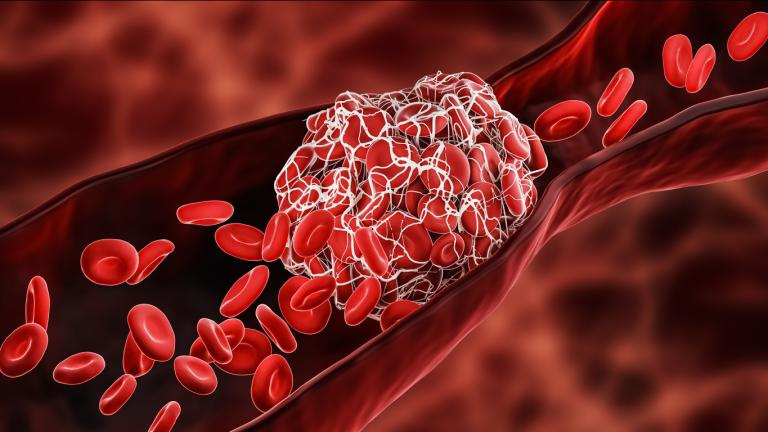
When a blood vessel becomes injured, the coagulation factors or clotting factors in the blood are activated. The clotting factor proteins stimulate the production of fibrin, which is a strong and strand-like substance that forms a fibrin clot. For days or weeks, this fibrin clot strengthens and then dissolves when the injured blood vessel walls close and heal.

Blood clotting is a crucial process that can help prevent blood loss due to injury. If there is an abnormality in any part of the process, it can lead to dangerous complications such as severe blood loss. Commonly, people with clotting disorders are closely monitored to prevent injuries and bleeding.

Coagulation

Coagulation is the formation of a blood clot, and is essential to haemostasis. Haemostasis is the body’s physiological response to damaged blood vessels, to slow down, minimise and eventually cease the bleeding.

The coagulation process is characterised by a cascade of events which lead to the formation of a blood clot. Proteins called clotting factors initiate reactions which activate more clotting factors.

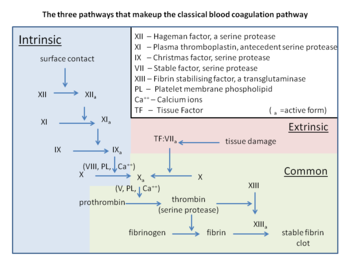
This process occurs via two pathways which unite downstream to form the common pathway. These are:

The Extrinsic pathway: This is triggered by external trauma which causes blood to escape the circulation.

The Intrinsic pathway: This is triggered by internal damage to the vessel wall.

Extrinsic Pathway of Coagulation

The extrinsic pathway unfolds as follows:

*Damage to the blood vessel means that factor VII exits the circulation into surrounding tissues.

*Tissue factor (factor III) is released by damaged cells outside the circulation.

*Factor VII and factor III form a complex, known as the TF-VIIa complex.

*TF-VIIa then activates factor X into its active form, factor Xa.

*In conjunction with factor Va, this triggers the formation of thrombin.

Note that the extrinsic pathway is believed to be responsible for the initial generation of activated Factor X (Factor Xa), whereas the intrinsic pathway amplifies its production.

Intrinsic Pathway of Coagulation

The intrinsic pathway is the longer and more intricate pathway:

*Factor XII is activated once it comes into contact with negatively charged collagen on the damaged endothelium, triggering the cascade.

*Along with clotting factors, platelets form a cellular ‘plug’ at the site of injury. These platelets also release mediators that facilitate further clotting, including Factor VIII.

*Factor IX combines with Factor VIII to form an enzyme complex that activates factor X, which along with factor Va, stimulates the production of thrombin.

Common Pathway of Coagulation

The intrinsic and extrinsic pathways converge to give rise to the common pathway. The activated factor X causes a set of reactions resulting in the inactive enzyme prothrombin (also called factor II) being converted to its active form thrombin (factor IIa) by Prothrombinase.

The thrombin then converts soluble fibrinogen (also referred to as factor I) into insoluble fibrin strands. The fibrin strands which comprise the clot are stabilised by factor XIII.

Regulation of Clotting

To prevent excessive clotting and subsequent disease, mediators including Protein C and Protein S provide negative feedback on the clotting cascade.

Protein C is activated following contact by thrombomodulin, which is itself activated by thrombin. Along with co-factors including protein S, activated protein C degrades factor Va and factor VIIIa, thus slowing the rate of clotting.

Calcium ions play a role through their interaction with the activation of several clotting factors. Low levels of calcium are therefore inhibitory to the clotting cascade.

Antithrombin is a protease inhibitor that degrades thrombin, factor IXa, factor Xa, factor XIa and factor XIIa. It is constantly active but can be activated further by a group of common anticoagulants known as heparins.

Restoring Blood Flow – Fibrinolysis

In order for blood flow to be re-established as the blood vessel heals, the thrombus must eventually be degraded. During fibrinolysis, fibrin is dissolved leading to the consequent dissolution of the clot.

The endothelial cells of the blood vessel wall secrete tissue plasminogen activators (tPAs) which convert the precursor plasminogen into plasmin. Plasmin subsequently cleaves the fibrin within the thrombus, leading to its degradation.

tPAs are released very slowly following trauma from the endothelial cells, and therefore there is a substantial time delay until there is a sufficient concentration for fibrinolysis.

Causes of Haemophilia

Cause of Hemophilia

The gene with the instructions for making factor is found only on the sex chromosome labeled X. If the gene is faulty, the result is hemophilia unless there is a dominant, normal gene on a matching X chromosome. Hemophilia is a sex-linked recessive disorder. These kinds of defects occur more often in men than in women. This section will explain all of this in more detail.

Hemophilia Carrier

A daughter gets an X chromosome from her mother and an X chromosome from her father. Suppose the X chromosome from her mother has the gene for normal blood clotting. Suppose the X chromosome from her father has the gene for hemophilia.

The daughter will not have hemophilia since the normal blood clotting gene from her mother is dominant. It won't allow the instructions from the hemophilia gene to be sent.

The daughter is called a carrier for hemophilia. She has the gene on one of her X chromosomes and could pass it on to her children. Does this mean that the mother alone is the one responsible for having a child with hemophilia?

Not really. The mother is the one who passes the hemophilia gene. However, it is the father's sperm that determines if the child will be a boy or a girl. It is not the "fault" of one parent since both parents contribute to the outcome.

All of us have dozens of abnormal genes. We are unaware of most of them. It is purely by chance that a hemophilia gene is passed on to produce a child with hemophilia.

Chances of having a Child with Hemophilia

*No sons of a man with hemophilia will have hemophilia.
*All daughters of a man with hemophilia will be carriers (called obligate carriers).
*If a carrier has a son, the son has a 50% chance of having hemophilia.
*If a carrier has a daughter, the daughter has a 50% chance of being a carrier.

These four points are explained below. The percentage (%) or "risks" are based on large numbers of births. In other words, if 500 carriers each had two sons (1,000 total), we would expect there to be about 500 boys with hemophilia. But in that group there would be women who had two sons with hemophilia, women who had one with and one without, and women with no sons with hemophilia. The gene a child will inherit is based purely on chance and can never be truly predicted.

A child's chances of getting a hemophilia gene do not have anything to do with whether or not brothers or sisters have the gene. Each time a woman is pregnant, her chances of having a child with the hemophilia gene are the same (Figure 2-3). It is like rolling dice. The results of one roll do not affect the next roll.

A family may have children with the hemophilia gene and children without it. It is also possible for all the children in the family to inherit the normal gene or all to inherit the hemophilia gene.

Chances of having a baby with Hemophilia or who is a carrier if?

*the father has hemophilia
*the mother does not have hemophilia and is not a carrier

The father's sex chromosomes are labeled XY, with the X chromosome carrying the hemophilia gene. [In our drawings, we have shown this by putting an H for hemophilia over the X.] The father only passes half of his sex chromosomes to the baby, either the X or the Y.

If the baby gets the Y chromosome from the father it will be a boy. Since the Y chromosome does not carry the hemophilia gene, a son born to a man with hemophilia and a woman who is not a carrier will not have hemophilia.

If the baby gets the X chromosome from the father it will be a girl. The X chromosome from the father with hemophilia will have the hemophilia gene. But the girl also gets an X chromosome from her mother. The normal blood clotting gene on the X chromosome from the mother is dominant, so the baby girl will not have hemophilia. She will, however, be a hemophilia carrier since she has the hemophilia gene on one of her X chromosomes.

*The father does not have hemophilia.
*The mother is a carrier.

The father's sex chromosomes are labeled XY. The father only passes half of his sex chromosomes to the baby, either the X or the Y.

If the baby gets the Y chromosome from the father it will be a boy. The son can get from the mother either her X chromosome with the hemophilia gene or her X chromosome with the normal blood clotting gene.

If the son gets his mother's X chromosome with the hemophilia gene he will have hemophilia. If he inherits his mother's other X chromosome, he will have normal blood clotting. So a carrier's son has a 50% chance of having hemophilia.

A baby girl will inherit an X chromosome with a dominant gene for normal blood clotting from her father. So the daughter will not have hemophilia. A daughter will get either her mother's X chromosome with the hemophilia gene or her mother's X chromosome with the normal gene for clotting. If she gets the X chromosome with the hemophilia gene she will be a carrier. So a carrier's daughter has a 50% chance of being a carrier.

A woman who is a carrier has:

1. a 25% (one in four) chance of having a daughter who is a carrier.
2. a 25% chance of having a son with hemophilia.
3.and a 50% chance of having a child (boy or girl) who does not have the gene for hemophilia at all.

*The father has hemophilia
* The mother is a carrier

The father's sex chromosomes are labeled XY, with the X chromosome carrying the hemophilia gene. The father only passes half of his sex chromosomes to the baby, either the X or the Y.

If the baby gets the Y chromosome from the father it will be a boy. If the boy gets his mother's X chromosome with the hemophilia gene he will have hemophilia. If he inherits his mother's other X chromosome, he will have normal blood clotting.

If the baby gets the X chromosome from the father it will be a girl. The X chromosome from the father with hemophilia will have the hemophilia gene. The girl also gets an X chromosome from her mother. If she gets the normal X chromosome, the girl will be a carrier. If she gets the X chromosome with the hemophilia gene, she will have hemophilia.

A man who has hemophilia and a woman who is a carrier have:

1.a 25% (one in four) chance of having a son with hemophilia.
2.a 25% chance of having a son with normal blood clotting.
3.a 25% chance of having a daughter who is a carrier.
4.a 25% chance of having a daughter who has hemophilia.

In some families, there is no known family history of hemophilia. The hemophilia gene seems to appear from nowhere and the family is shocked and confused.

There are several reasons this could happen. First, the family may not know about or may have forgotten ancestors with hemophilia. Second, the gene for hemophilia may have been passed down by carrier females without anyone knowing. For several generations, the women may have had no boy children or by chance had only normal boys. No one would have known about the hemophilia gene. Third, hemophilia may appear in families with no history of it if the normal blood clotting gene suddenly becomes messed up (a spontaneous genetic mutation).

Gene Mutation

Normally, genes are exactly copied generation after generation. Sometimes, though, a gene may become faulty. It may give different or wrong directions to the body. This change in the gene is called a mutation. The change is permanent - the gene won’t be able to turn back to normal.

The effects of the faulty gene may be noticed right away. Or they might not be seen until the gene is passed on to a baby. So the change in the gene may have happened in the parent or in the baby.

The change in the gene can be caused by something in the environment. It also seems to happen without any clear cause. Since they are nature's way of bringing about change, not all gene mutations are harmful.

The hemophilia gene can occur in a man or woman this way. The blood clotting gene suddenly becomes faulty. The gene may be passed by female carriers for several generations before hemophilia appears in a boy baby.

Probably not. Mutations in blood clotting genes would still happen, making new carriers and new people with hemophilia. It is believed that as many as one-third of the babies born with hemophilia are caused by new gene mutations.

Once the hemophilia gene is present, the chance of passing it on exists. It is possible, however, for hemophilia to disappear from the family tree. This can happen if all family members who have hemophilia or who carry the hemophilia gene give birth to children who by chance do not get the gene.

The clotting factor level will be about the same from one generation to the next. So the daughters of a man with severe hemophilia will all carry the gene for severe. It won’t change to mild or moderate. The same goes for men with mild and moderate hemophilia. Their children will all carry the same level.

Even though the level stays the same, hemophilia can have very different effects on the lives of people in the family. This is due to different lifestyles and treatments for hemophilia. For instance, a grandfather with hemophilia may have very bad joints and walk with a limp because he could not get treatment when he was young. His grandson may be running track on his high school team because early treatment with factor has kept his joints healthy.

Backfire Effect

Backfire Effect 

Introduction

In a perfectly rational world, people who encounter evidence that challenges their beliefs would first evaluate this evidence, and then adjust their beliefs accordingly. However, in reality this is seldom the case.

Instead, when people encounter evidence that should cause them to doubt their beliefs, they often reject this evidence, and strengthen their support for their original stance. This occurs due to a cognitive bias known as the backfire effect.

The backfire effect is important to understand, since it affects both your ability to change other people’s opinion, as well as your ability to process information rationally yourself. As such, in the following article you will learn more about the backfire effect, understand why and when it influences people, and see what you can do in order to mitigate its influence.

Definition

The Backfire Effect is a cognitive bias that causes people who encounter evidence that challenges their beliefs to reject that evidence, and to strengthen their support of their original stance. Essentially, the backfire effect means that showing people evidence which proves that they are wrong is often ineffective, and can actually end up backfiring, by causing them to support their original stance more strongly than they previously did.

As such, the backfire effect is a subtype of the confirmation bias, which is a cognitive bias that can cause people to reject information which contradicts their beliefs, or to interpret information in a way that confirms those beliefs.

Examples

The backfire effect has been observed in a number of scientific studies, which looked at various scenarios:

#A study that examined voting preference showed that introducing people to negative information about a political candidate that they favor often causes them to increase their support for that candidate.

#A study which examined misconceptions about politically-charged topics found that giving people accurate information about these topics often causes them to believe in their original misconception more strongly, in cases where the new information contradicts their preexisting beliefs.

#A study which examined parents’ intent to vaccinate their children, found that giving parents who are against vaccination information showing why vaccinating their child is the best course of action, they sometimes become more likely to believe in a link between vaccination and autism.

#A study which examined people’s intention to vaccinate against the flu, found that giving people who think that the vaccine is unsafe information disproving myths on the topic, they often ended up with a reduced intent to vaccinate.

#Overall, the backfire effect influences people in many domains. It has a notable influence when it comes to people’s widespread support of various pseudoscientific beliefs, and it explains why attempts to debunk those beliefs are often ineffective, though as we saw above, it can also affect people when it comes to any type of belief.

People Experience the Backfire effect

People experience the backfire effect as a result of the process that they go through when they encounter information that contradicts their preexisting beliefs.

Essentially, when a person encounters information which suggests that their current beliefs are wrong in some way, they feel threatened, which causes them to generate a variety of negative emotions. This is especially likely when the beliefs in question are crucial to their self-concept, which means that they represent an important part of that person’s identity and ideology.

The negative emotions that people generate end up negatively impacting their ability to accept the corrective information that they encountered, by increasing the likelihood that they will refuse to process it properly, and by increasing the likelihood that they will attempt to find ways to discount it.

The fact that people often attempt to discount and reject corrective information that they encounter is what leads them to sometimes experience the backfire effect. Specifically, in their attempt to reject corrective information, people will generally first attempt to recall preexisting knowledge that they can use in their arguments, which could cause to reinforce that knowledge in their minds, and therefore increase their support of their preexisting beliefs.

Furthermore, when people argue against unwelcome information strongly enough, they often end up with more arguments to support their stance. This can cause them to believe that there is more proof in support of their viewpoint than there was before they were presented with the unwelcome evidence, which in turn can cause them to support their original stance more strongly than they previously did.

Reducing Backfire Effect

Reducing other people’s backfire effect

The backfire effect is a cognitive bias, meaning that you can use general debiasing techniques in order to counter it effectively. Such strategies include, for example, increasing people’s awareness of this bias, using simpler explanations, and changing the way you present information.

One study, for example, examined people’s opinions regarding federal welfare programs. The researchers found that the majority of people were highly-misinformed about the nature and scope of these programs, and that the people who were the least-informed about them generally expressed the highest degree of confidence in their knowledge.

Furthermore, the researchers found that presenting people with facts about these welfare programs did little to change people’s opinion about them. However, in a follow-up study, the researchers discovered that tweaking the way they presented the facts made people respond more positively to the new evidence.

In this follow-up, people were first asked to estimate the percentage of the national budget that is allocated to welfare. Then, they were also asked what percent of the budget they believed should be spent on welfare.

Posing these questions back-to-back led participants to contrast their perception of reality with their preferred level of spending, before they were told what portion of the budget is spent on welfare in reality. This meant that most of them had to process the fact that not only is the federal-spending lower than they thought, but it is also lower than the portion of the budget that they believed should be allocated to welfare.

Even though this comparison is something that people should have done naturally if they were processing the information rationally, the only thing that got them to do this in reality was to ask them to explicitly state how much they believed should be spent on welfare. Accordingly, people only responded positively to the corrective information when they were asked this preliminary question, which led them to internalize and accept the fact that they were wrong.

This means that when you’re talking to people in an effort to change their stance on something, you need to remember that how you present information is just as important as what information you present, if you want to avoid a backfire effect. As such, you need to display the new information in a non-confrontational manner, that allows people to internalize the new facts, and reach the conclusion that you want them to reach themselves.

Furthermore, if you truly want to get your point across, then remember that attacking the other person for having the ‘wrong’ opinion, no matter how misguided it might be, is unlikely to work, since it will probably just put them in a defensive mindset, where they’re not willing to accept new evidence. This is especially important to keep in mind, because if people perceive you as uncivil or hostile, they are more likely to doubt the validity of your argument, even if the argument itself is rational and well-founded.

Reducing your own backfire effect

In addition to reducing the backfire effect that other people experience, you can also use your understanding of this bias in order to reduce the degree to which you experience it yourself. This necessitates being critical of how you process new information, which will allow you to think in a more rational way and to make better decisions.

The basic way to reduce your own backfire effect is to be aware of its influence, and to modify the way in which you react when you encounter information that contradicts your beliefs.

Specifically, when you encounter such information, you should not ignore it outright or immediately try to explain why it’s wrong. Instead, you should first try and look at it with fresh eyes, and assess it based on its own merit, without comparing it to your preexisting theory on the topic.

Beyond this, you can use the techniques that we saw above, as well as other debiasing techniques that can help you avoid this bias. These techniques revolve primarily around getting you to process new information in a conscious rational manner, instead of reacting to it intuitively, which helps ensure that you will give new information the chance that it deserves.

Caveats about the backfire effect

While the backfire effect plays a significant role in how people process new information, that doesn’t mean that it affects everyone all the time, and studies show that there are cases where the backfire effect doesn’t influence people’s thought process.

This doesn’t necessarily contradict other findings on the topic, since even studies that show support for the existence of the backfire effect demonstrate that its influence is highly variable, and depends on various factors.

Furthermore, since it’s difficult to predict when the backfire effect will play a role in people’s thought process, it’s often advisable to assume that people will experience it, and to act accordingly, in terms of how you present new information.

Overall, while the backfire effect can influence people’s thought process in various situations, it’s not always there. Whether or not people will experience a backfire effect depends on a variety of factors, and since this can be difficult to predict, you should generally be wary, and act in a way that takes its possible influence into account.

Related cognitive biases

In addition to the backfire effect described here (which is sometimes referred to as the worldview backfire effect), there are two other types of backfire effects, that can cause people to strengthen their support for a stance when presented with evidence which contradicts that stance:

*The overkill backfire effect. The overkill backfire effect is a cognitive bias that causes people who encounter a complex explanation to reject it in favor of a simpler alternative, and to sometimes also reinforce their belief in the simpler alternative. For example, the overkill backfire effect could cause people to strengthen their support for a simple myth when presented with an overly-technical scientific refutation of it.

*The familiarity backfire effect. The familiarity backfire effect is a cognitive bias that causes people to remember misinformation better, and to remember it as being true, after they are shown corrective information that is supposed to debunk it, as a result of the increased exposure to that misinformation. For example, the familiarity backfire effect could cause people to strengthen their support for a certain piece of misinformation each time they hear an attempt to refute it.

Summary and conclusions

The backfire effect is a cognitive bias that causes people who encounter evidence that challenges their beliefs to reject that evidence, and to strengthen their support of their original stance.

The backfire effect has been observed in various scenarios, such as in the case of people supporting a political candidate more strongly after negative information about that candidate is released. Furthermore, it often plays a role in people’s belief in pseudoscientific theories, as in the case of people’s belief that vaccines are highly dangerous, and should be avoided.

The backfire effect occurs primarily because when people argue strongly enough against unwelcome information, they end up, in their mind, with more arguments that support their original stance.

If you’re trying to explain to someone the issues with their stance, you can mitigate the backfire effect by presenting new information in a way that encourages the other person to consider and internalize that information, instead of rejecting it outright.

There is variability in terms of when people are influenced by this effect, and there are situations where people don’t experience a backfire effect when they are shown information which contradicts their beliefs. However, since this variability is difficult to predict, it’s better to assume that the backfire effect will play a role in people’s thought process, and to act accordingly.

Reverse Transcription

Reverse Transcription Introduction Reverse transcription is the synthesis of DNA from an RNA template. This process is driven by RNA-depende...